
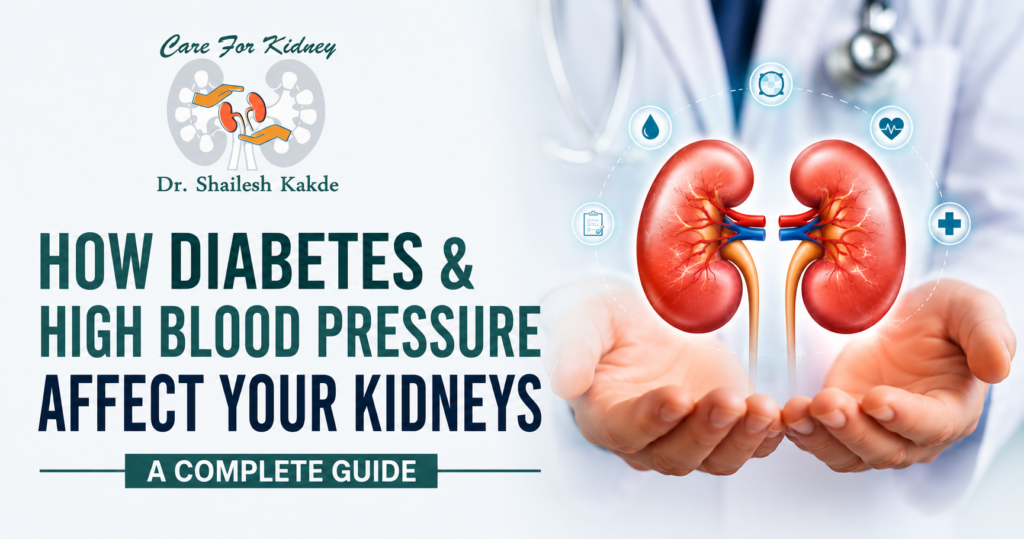
Diabetes and high blood pressure are two of the most common health conditions worldwide, and they are also the leading causes of chronic kidney disease (CKD). Many people live with these conditions for years without realizing that their kidneys are slowly being damaged. Since kidney disease often develops silently, symptoms may not appear until significant damage has already occurred.
If you have diabetes, high blood pressure, or both, understanding how they affect your kidneys can help you take the right steps to protect your health. Regular checkups with a Kidney Specialist Doctor can identify kidney problems early, allowing timely treatment and better long term outcomes. If you are looking for expert kidney care, consulting the Best Nephrologist in Baner Pune can also help with early diagnosis and personalized treatment plans.
Why Are Your Kidneys So Important?
Your kidneys are two bean shaped organs located on either side of your spine. Although small, they perform several essential functions that keep your body healthy.
They help:
-
Filter waste products and excess fluids from the blood.
-
Balance electrolytes such as sodium and potassium.
-
Control blood pressure through hormone regulation.
-
Produce hormones that support healthy red blood cell production.
-
Maintain strong bones by regulating calcium and vitamin D.
According to the National Kidney Foundation, healthy kidneys filter approximately 200 quarts of blood every day, removing around 2 quarts of waste and extra fluid.
When diabetes or high blood pressure damages these filters, waste begins to accumulate in the body, leading to chronic kidney disease.
How Diabetes Damages the Kidneys
Diabetes is the leading cause of kidney failure worldwide. High blood sugar gradually damages the tiny blood vessels called glomeruli, which are responsible for filtering your blood.
Initially, the kidneys work harder than normal. Over time, these delicate filters become damaged and begin leaking protein into the urine, an early warning sign of kidney disease known as albuminuria.
According to the Centers for Disease Control and Prevention (CDC), approximately 1 in 3 adults with diabetes has chronic kidney disease.
Common signs of diabetic kidney disease include:
-
Swelling in the feet, ankles, or face
-
Protein in the urine
-
Frequent urination, especially at night
-
Persistent fatigue
-
Difficulty controlling blood pressure
Since early kidney damage usually causes no symptoms, annual urine and blood tests are strongly recommended for people with diabetes.
How High Blood Pressure Affects Kidney Function
High blood pressure and kidney disease have a close relationship. High blood pressure can damage the blood vessels inside the kidneys, reducing their ability to filter blood effectively.
At the same time, damaged kidneys struggle to regulate blood pressure, creating a harmful cycle where each condition worsens the other.
The National Institute of Diabetes and Digestive and Kidney Diseases (NIDDK) states that uncontrolled high blood pressure is the second leading cause of kidney failure.
The longer blood pressure remains uncontrolled, the greater the risk of permanent kidney damage.
When Diabetes and High Blood Pressure Occur Together
Many people have both diabetes and hypertension. When these conditions exist together, the risk of kidney disease increases significantly because both continuously damage the kidneys from different directions.
Doctors often recommend more frequent kidney function tests for patients managing both conditions. Regular monitoring can help detect changes before permanent damage occurs.
A Kidney Specialist Doctor may recommend:
-
Blood tests to measure kidney function
-
Urine tests to detect protein leakage
-
Blood pressure monitoring
-
Blood sugar management
-
Lifestyle modifications and medications
Early intervention can significantly slow disease progression.
Symptoms That May Indicate Kidney Damage
Kidney disease often develops gradually, making routine screening essential. However, some warning signs should never be ignored.
These include:
-
Swelling in the legs, ankles, hands, or face
-
Foamy urine indicating protein loss
-
Blood in the urine
-
Persistent tiredness
-
Poor appetite
-
Nausea
-
Difficulty concentrating
-
Shortness of breath
-
Muscle cramps
-
High blood pressure that becomes difficult to control
If you notice these symptoms, consult a Kidney Specialist Doctor promptly for evaluation.
Who Is at Higher Risk?
Certain people have a greater chance of developing kidney disease.
Risk factors include:
-
Diabetes
-
High blood pressure
-
Family history of kidney disease
-
Obesity
-
Smoking
-
Age over 60 years
-
Heart disease
-
High cholesterol
The Kidney Disease: Improving Global Outcomes (KDIGO) guidelines recommend regular kidney screening for individuals with these risk factors.
How to Protect Your Kidneys
The good news is that kidney disease is often preventable or its progression can be slowed with healthy lifestyle choices and proper medical care.
Here are some effective ways to protect your kidneys:
-
Keep blood sugar within your target range.
-
Maintain healthy blood pressure levels as advised by your doctor.
-
Eat a balanced diet with less salt and processed foods.
-
Stay physically active for at least 150 minutes each week.
-
Drink enough water unless your doctor recommends fluid restriction.
-
Avoid smoking and excessive alcohol consumption.
-
Maintain a healthy body weight.
-
Take prescribed medications regularly.
-
Schedule regular kidney function tests.
-
Visit a Kidney Specialist Doctor if you have diabetes or hypertension.
According to the World Health Organization (WHO), healthy lifestyle changes can substantially reduce the risk of complications associated with diabetes and hypertension.
Why Early Diagnosis Makes a Difference
One of the biggest challenges with kidney disease is that many people feel completely healthy during the early stages. Unfortunately, by the time symptoms appear, significant kidney damage may already have occurred.
Routine screening is particularly important if you have diabetes or high blood pressure. Simple blood and urine tests can detect kidney problems long before symptoms develop.
A Kidney Specialist Doctor can interpret these test results, identify the stage of kidney disease, and recommend treatments that may slow or even prevent further damage. Early diagnosis often helps patients avoid dialysis or kidney transplantation in the future.
When Should You See a Kidney Specialist Doctor?
You should consider consulting a Kidney Specialist Doctor if:
-
You have had diabetes for several years.
-
Your blood pressure remains uncontrolled despite medication.
-
Your urine contains protein or blood.
-
Your kidney function tests are abnormal.
-
You experience persistent swelling or reduced urine output.
-
You have a family history of kidney disease.