
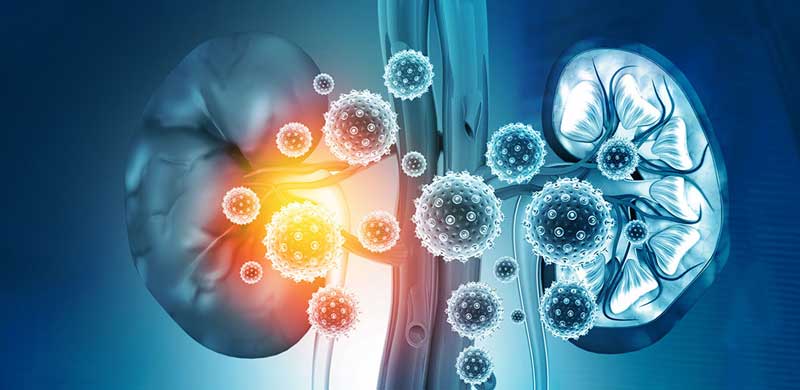
Rapidly progressive renal failure is a serious medical emergency characterized by a sudden and rapid decline in kidney function over days or weeks. It is often associated with autoimmune diseases, severe infections, inflammatory conditions, or vascular disorders affecting the kidneys. Patients may experience reduced urine output, swelling, fatigue, nausea, high blood pressure, and abnormal blood test results. Prompt diagnosis through laboratory testing, imaging studies, and sometimes kidney biopsy is essential to determine the underlying cause. Treatment may include immunosuppressive therapy, dialysis support, aggressive management of inflammation, and correction of fluid and electrolyte imbalances. Early and aggressive medical care significantly increases the chances of recovery and helps prevent permanent kidney damage.
Causes:
- Autoimmune diseases
- Severe infections
- Glomerulonephritis
- Vascular disorders
- Drug reactions
Symptoms:
- Reduced urine output
- Swelling
- Fatigue
- High blood pressure
- Nausea or confusion
Treatment:
- Immunosuppressive therapy
- Dialysis if needed
- Treatment of underlying cause
- Fluid and electrolyte management
- Intensive monitoring
Conclusion:
Rapid diagnosis and treatment are essential to prevent permanent kidney damage. Early medical care improves recovery outcomes.
Our Services
- Acid base abnormality
- Acute kidney Injury
- Chronic Kidney disease & complications
- Critical Care Nephrology & advances
- Diabetes & kidney disease
- Dialysis (Hemodialysis & Peritoneal Dialysis) & advances
- Electrolyte imbalance
- High Creatinine
- Hypertension & kidney disease
- Interventional Nephrology( Kidney biopsy , Non & tunnelled catheters)
- Kidney transplant & complications
- Onconephrology
- Rapidely Progressive Renal failure
- Urine Abnormality (Blood, protein, stone in urine)
- Urinary Tract Infection & Prostate Related Issues