
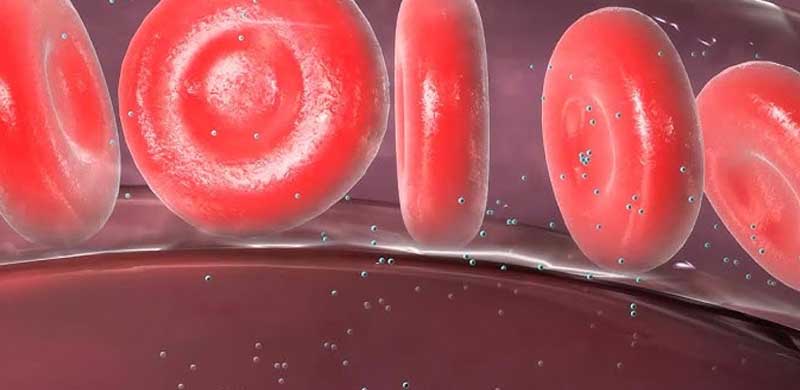
Acid-base disorders occur when the body’s internal pH balance becomes disturbed due to kidney dysfunction, lung disease, severe infections, or metabolic conditions. The kidneys play a critical role in maintaining chemical balance, and when they fail to function properly, acid levels may accumulate or become imbalanced. Patients may present with rapid breathing, confusion, fatigue, nausea, muscle weakness, or abnormal heart rhythms. Diagnosis is made through blood gas analysis, electrolyte testing, and evaluation of underlying diseases. Treatment aims at correcting the primary cause while stabilizing pH levels through medications, fluid therapy, and electrolyte correction. Severe cases may require intensive care monitoring. Maintaining proper acid-base balance is crucial for normal organ function and metabolic stability.
Causes:
- Kidney disease
- Lung disorders
- Severe infections
- Uncontrolled diabetes
- Dehydration
- Metabolic conditions
Symptoms:
- Rapid breathing
- Weakness and fatigue
- Confusion
- Nausea or vomiting
- Irregular heartbeat
Treatment:
- Correction of underlying cause
- Fluid therapy
- Medications to restore pH balance
- Electrolyte management
- Hospital monitoring in severe cases
Conclusion:
Maintaining proper acid-base balance is vital for organ function. Early treatment prevents life-threatening complications.
Our Services
- Acid base abnormality
- Acute kidney Injury
- Chronic Kidney disease & complications
- Critical Care Nephrology & advances
- Diabetes & kidney disease
- Dialysis (Hemodialysis & Peritoneal Dialysis) & advances
- Electrolyte imbalance
- High Creatinine
- Hypertension & kidney disease
- Interventional Nephrology( Kidney biopsy , Non & tunnelled catheters)
- Kidney transplant & complications
- Onconephrology
- Rapidely Progressive Renal failure
- Urine Abnormality (Blood, protein, stone in urine)
- Urinary Tract Infection & Prostate Related Issues