
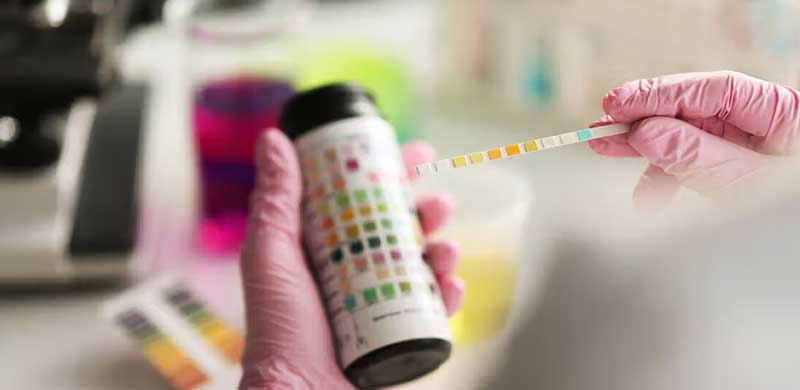
Urine abnormalities are often early warning signs of kidney or urinary tract disorders and should never be ignored. The presence of blood in urine may indicate infections, stones, trauma, tumors, or kidney inflammation. Protein in urine usually reflects damage to the kidney’s filtration system and is commonly seen in diabetes, hypertension, and chronic kidney disease. Urinary stones form when minerals crystallize in the kidneys due to dehydration, dietary factors, or metabolic imbalance. Patients may experience pain during urination, lower back or abdominal pain, cloudy or dark-colored urine, or frequent urination. Advanced evaluation includes urine analysis, kidney function tests, ultrasound, CT scan, and metabolic assessment. Treatment focuses on addressing the root cause through medication, hydration therapy, dietary changes, and minimally invasive stone removal procedures when necessary. Continuous monitoring helps prevent recurrence and protects long-term kidney health.
Causes:
- Kidney infections or urinary tract infections
- Kidney or bladder stones
- Diabetes and hypertension
- Trauma or injury to urinary organs
- Glomerular diseases
- Tumors in kidney or bladder
- Dehydration and metabolic imbalance
Symptoms:
- Red, brown, or cloudy urine
- Painful or burning urination
- Lower abdominal or back pain
- Foamy urine (protein loss)
- Frequent urination
- Nausea or fever in severe cases
Treatment:
- Antibiotics for infections
- Medications to control protein loss
- Hydration therapy
- Dietary changes
- Stone management (medication or surgery)
- Monitoring kidney function regularly
Conclusion:
Early detection of urine abnormalities is important to prevent kidney damage and serious complications. Timely diagnosis and treatment help maintain urinary health and overall well-being.
Our Services
- Acid base abnormality
- Acute kidney Injury
- Chronic Kidney disease & complications
- Critical Care Nephrology & advances
- Diabetes & kidney disease
- Dialysis (Hemodialysis & Peritoneal Dialysis) & advances
- Electrolyte imbalance
- High Creatinine
- Hypertension & kidney disease
- Interventional Nephrology( Kidney biopsy , Non & tunnelled catheters)
- Kidney transplant & complications
- Onconephrology
- Rapidely Progressive Renal failure
- Urine Abnormality (Blood, protein, stone in urine)
- Urinary Tract Infection & Prostate Related Issues