
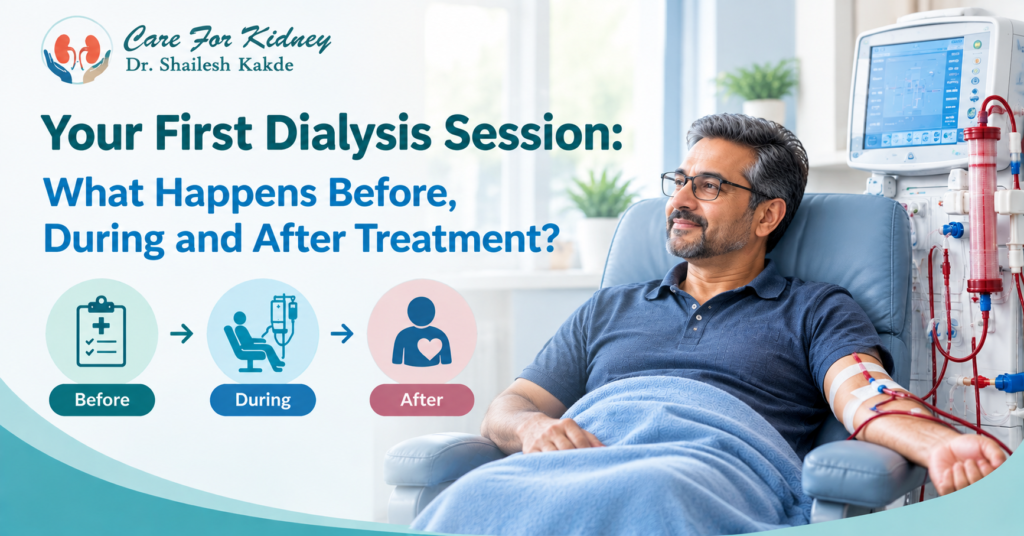
Starting dialysis can feel overwhelming, especially when you do not know what will happen during your first session. Questions such as how the treatment works, whether it will hurt, how long it takes, and what you should do afterward are completely understandable. Knowing what to expect can make the experience feel more manageable.
If you have been advised to begin dialysis, speaking with a Best Nephrologist in Baner Pune can help you understand why treatment has been recommended, what type of dialysis is appropriate, and how your treatment plan will be tailored to your health needs.
Dialysis Treatment is used when the kidneys can no longer adequately remove waste and extra fluid from the blood. Hemodialysis uses a machine and a special filter called a dialyzer to clean the blood and remove excess fluid. It can help control fluid, waste products and certain minerals, but it does not cure kidney failure.
Before Your First Dialysis Session
Before treatment begins, your healthcare team will explain the dialysis process, review your medical history and discuss your dialysis access. Your treatment prescription is based on factors such as kidney function, body size, fluid levels, laboratory results and overall health.
Your Dialysis Access
Hemodialysis requires a way to safely move blood from your body to the dialysis machine and back again. This is called vascular access.
The main types include:
- AV fistula: An artery and vein are surgically connected, usually in the arm.
- AV graft: A soft tube connects an artery and vein when a fistula is not suitable.
- Dialysis catheter: A flexible tube is placed into a large vein and may be used when dialysis needs to begin quickly or while another access is becoming ready.
Your access is extremely important. Before treatment, the dialysis team will check it for problems such as swelling, redness, drainage, pain or bleeding.
What Happens When You Arrive?
For an in-center session, you will usually be weighed before treatment. Your blood pressure and other vital signs may also be checked. The team will ask about recent symptoms, changes in medicines, illness and how you have been feeling since your previous medical assessment.
Your weight before dialysis helps the team estimate how much extra fluid may need to be removed during the session.
Your prescribed treatment is not identical for every patient. The duration, fluid removal and other settings are selected according to your individual needs.
What Happens During Dialysis Treatment?
Once the preparation is complete, you will be connected to the dialysis machine.
If you have a fistula or graft, two needles are generally placed into the access. One allows blood to travel toward the dialysis machine, while the other allows cleaned blood to return to your body. Numbing cream or spray may sometimes be used if needle placement causes discomfort.
The blood travels through tubing into the dialyzer. Inside this filter, waste products and excess fluid are removed before the cleaned blood returns to your body.
The machine and healthcare team monitor your treatment, including blood pressure and other important measurements. You can generally sit or rest during the session, and many patients read, listen to music, watch something or talk with the dialysis team.
How Long Does the First Session Take?
The duration depends on your individual prescription and clinical situation. For many people receiving in-center hemodialysis, sessions are commonly around three to five hours, with many standard schedules involving three sessions each week. However, your nephrologist determines the actual treatment duration and frequency.
Your first session may feel different from later sessions because you are becoming familiar with the equipment, access and routine. Do not hesitate to ask the dialysis staff to explain anything you do not understand.
Will Dialysis Hurt?
The dialysis process itself should not normally be painful. You may experience some discomfort when needles are inserted into an AV fistula or graft. Some people may experience symptoms during treatment, particularly if fluid is removed quickly or blood pressure falls.
Possible symptoms include:
- Dizziness or lightheadedness
- Muscle cramps
- Nausea
- Headache
- Weakness or tiredness
- A drop in blood pressure
Tell the dialysis team immediately if you experience any unusual or uncomfortable symptoms. Adjustments to the treatment may sometimes help.
What Happens After Your First Dialysis Session?
When your prescribed treatment is complete, the dialysis machine will be disconnected and the access will be carefully managed. Your blood pressure and other observations may be checked again.
If needles were used, the sites will be treated according to the dialysis unit’s procedure to control bleeding and protect the access.
You may feel tired after your first session. Some people experience temporary dizziness, nausea or muscle cramps. These symptoms should be discussed with your healthcare team, especially if they are severe, persistent or getting worse.
Protect Your Dialysis Access
Taking care of your access is an important part of Dialysis Treatment. Keep the area clean and watch for changes.
Contact your dialysis team promptly if you notice:
- Redness, warmth, swelling or drainage
- Increasing pain around the access
- Unusual bleeding
- Fever or chills
- A change in the normal vibration or “thrill” of a fistula or graft
- Problems with a dialysis catheter or its dressing
These signs can indicate infection, blockage or another access problem and should not be ignored.
What Should You Do Between Dialysis Sessions?
Dialysis is more than a few hours spent connected to a machine. Your daily habits and treatment plan also matter.
Your healthcare team may recommend specific limits or goals for fluid, sodium, potassium and phosphorus depending on your blood tests, urine output and overall condition. Medicines may also need to be adjusted when you begin dialysis.
Try to follow your prescribed treatment schedule and avoid missing or shortening sessions unless your medical team tells you otherwise. Completing the prescribed treatment helps your team manage fluid and waste levels effectively.
It is also useful to keep track of symptoms between treatments. Tell your dialysis team if you develop increasing swelling, breathing difficulty, unusual weakness, persistent nausea or other concerning changes.
Questions to Ask Before Your First Dialysis Treatment
It is normal to have many questions before starting. Consider asking your healthcare team:
- Why do I need dialysis now?
- Which type of dialysis access do I have?
- How long will each treatment take?
- How often will I need treatment?
- How much fluid should I drink each day?
- Which foods or minerals do I need to monitor?
- Which medicines should I take before or after dialysis?
- What symptoms should I report immediately?
- How should I care for my dialysis access?
- What should I do if I cannot attend a scheduled session?
Writing your questions down before your first appointment can make it easier to remember important concerns.
When Should You Seek Immediate Medical Help?
Some symptoms require prompt medical attention. Contact your healthcare team or seek emergency care for serious symptoms such as chest pain, severe breathing difficulty, fainting, uncontrolled bleeding or severe weakness.
Problems involving dialysis access also require prompt attention, particularly significant bleeding, severe swelling, redness, warmth, drainage, fever or a sudden change in how a fistula or graft feels.
Conclusion
Your first dialysis session may feel unfamiliar, but understanding the process can reduce much of the uncertainty. Before treatment, your healthcare team checks your health, weight and dialysis access. During the session, your blood passes through a dialyzer that removes waste and excess fluid while your condition is monitored. Afterward, your access is checked and you may need some time to rest as your body adjusts.
Dr. Shailesh Kakde provides specialised kidney care and helps patients understand their dialysis requirements, treatment plans, access care and ongoing kidney health needs. If you are looking for Dialysis Treatment in pune, proper nephrology guidance can help you approach dialysis with greater understanding and confidence.
#DialysisTreatment #Hemodialysis #KidneyHealth #KidneyFailure #DialysisCare #Nephrology #KidneyDisease