
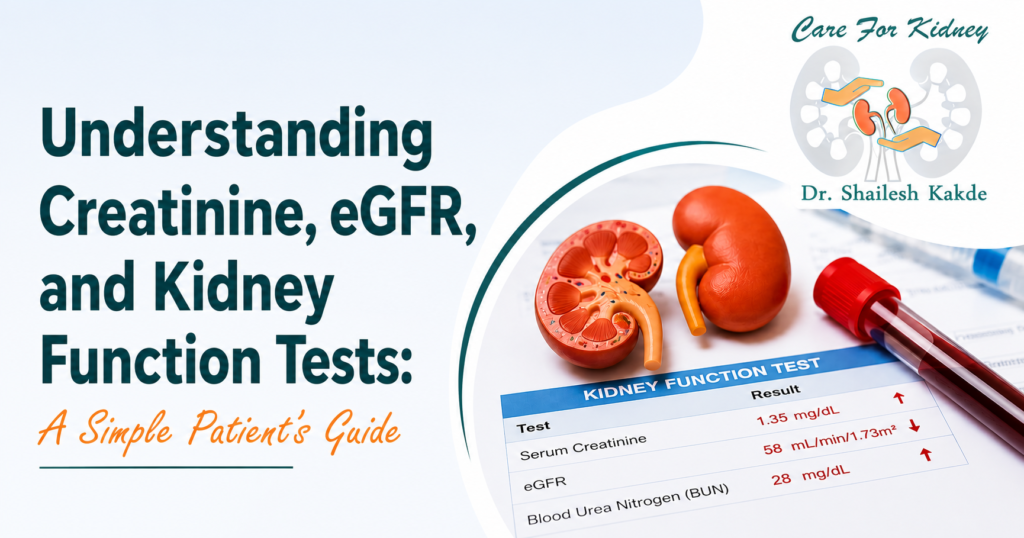
Your kidneys work around the clock to filter waste products, balance fluids, regulate blood pressure, and maintain the right levels of minerals in your body. However, kidney disease often develops silently, with very few noticeable symptoms in its early stages. That is why understanding kidney function tests is essential for maintaining good health and detecting problems before they become serious.
If your doctor has advised you to undergo a creatinine test, eGFR test, or other kidney function tests, you may wonder what these reports actually mean. Understanding these values can help you make informed decisions about your health and know when it is time to consult the Best Nephrologist. If you are searching for a Kidney Specialist Doctor in Pune, understanding these reports is an important first step toward protecting your kidney health.
In this guide, we will explain creatinine, eGFR, and other common kidney function tests in simple language, making it easier for you to understand your reports and discuss them confidently with your doctor.
What Are Kidney Function Tests?
Kidney function tests are a group of blood and urine tests that help evaluate how well your kidneys are working. These tests measure your kidneys’ ability to remove waste products, maintain fluid balance, and support overall body functions.
Doctors usually recommend these tests if you have:
- High blood pressure
- Diabetes
- Family history of kidney disease
- Swelling in the legs or face
- Frequent urinary infections
- Kidney stones
- Persistent fatigue or weakness
According to the National Kidney Foundation, early detection of kidney disease can significantly reduce the risk of complications and slow disease progression.
Understanding Creatinine
Creatinine is a waste product produced when your muscles use energy during normal daily activities. Healthy kidneys filter creatinine from your blood and remove it through urine.
When kidney function declines, creatinine begins to build up in the bloodstream. That is why a blood creatinine test is one of the most common ways to assess kidney health.
Normal creatinine levels vary depending on age, gender, muscle mass, and overall health. A slightly elevated creatinine level does not always mean kidney disease, but it should never be ignored without proper medical evaluation.
Several factors can influence creatinine levels, including:
- Dehydration
- Certain medications
- High muscle mass
- Intense exercise
- Existing kidney disease
Because many factors affect creatinine, doctors usually interpret the result together with eGFR and other kidney function tests rather than relying on a single value.
What Is eGFR?
Estimated Glomerular Filtration Rate, commonly known as eGFR, is one of the most important measurements of kidney health.
Rather than measuring a substance directly, eGFR is a calculation based on your creatinine level, age, and sex. It estimates how effectively your kidneys filter blood every minute.
Generally:
- eGFR above 90 indicates normal kidney function if there are no other signs of kidney damage.
- eGFR between 60 and 89 may indicate mildly reduced kidney function.
- eGFR below 60 for three months or longer may suggest chronic kidney disease.
- eGFR below 15 often indicates severe kidney failure requiring urgent specialist care.
The National Institute of Diabetes and Digestive and Kidney Diseases (NIDDK) recommends using eGFR alongside urine tests for accurate kidney disease diagnosis.
Other Important Kidney Function Tests
Besides creatinine and eGFR, your doctor may recommend additional investigations to obtain a complete picture of kidney health.
Blood Urea Nitrogen (BUN)
BUN measures the amount of urea nitrogen in your blood. Elevated levels may indicate reduced kidney function, dehydration, or other medical conditions.
Urine Albumin Test
Healthy kidneys prevent protein from leaking into urine. Finding albumin or protein in urine may be one of the earliest signs of kidney damage, particularly in people with diabetes or hypertension.
Urinalysis
This routine urine examination helps detect:
- Blood in urine
- Protein leakage
- Infection
- Kidney stones
- Other urinary abnormalities
Electrolyte Tests
Kidneys regulate important minerals such as sodium, potassium, calcium, and phosphorus. Abnormal levels may indicate impaired kidney function.
Why You Should Not Interpret Reports Yourself
Many people become anxious after seeing a high creatinine value or a slightly low eGFR in their reports. However, these numbers should always be interpreted within the context of your medical history, symptoms, medications, and overall health.
For example, dehydration can temporarily increase creatinine levels, while older adults may naturally have a lower eGFR without significant kidney disease.
Consulting the Best Nephrologist ensures that your reports are interpreted correctly and that unnecessary treatments or anxiety are avoided.
Symptoms That May Indicate Kidney Problems
Kidney disease often develops gradually. Many patients experience no symptoms during the early stages.
Watch for warning signs such as:
- Swelling of the feet, ankles, or face
- Persistent fatigue
- Changes in urination frequency
- Foamy urine
- Blood in urine
- Loss of appetite
- High blood pressure
- Difficulty concentrating
- Muscle cramps
- Nausea
If you experience any of these symptoms, medical evaluation should not be delayed.
How to Keep Your Kidneys Healthy
Protecting your kidneys involves making healthy lifestyle choices and monitoring existing medical conditions.
Some practical tips include:
- Stay adequately hydrated.
- Control blood pressure and diabetes.
- Eat a balanced diet with limited salt intake.
- Avoid unnecessary painkiller use without medical advice.
- Exercise regularly.
- Maintain a healthy body weight.
- Stop smoking.
- Schedule regular kidney function tests if you are at higher risk.
According to the Centers for Disease Control and Prevention (CDC), managing diabetes and hypertension remains one of the most effective ways to prevent chronic kidney disease.
When Should You Visit the Best Nephrologist?
Many people wait until kidney disease becomes advanced before consulting a specialist. Early consultation allows timely diagnosis, treatment, and prevention of complications.
You should consider seeing the Best Nephrologist if you have:
- Persistently high creatinine levels
- Reduced eGFR
- Protein or blood in urine
- Uncontrolled high blood pressure
- Recurrent kidney stones
- Diabetes with abnormal kidney reports
- Family history of kidney disease
Early intervention can significantly slow the progression of kidney disease and improve long term outcomes.
Conclusion
Understanding creatinine, eGFR, and kidney function tests empowers you to take charge of your kidney health. While these reports provide valuable information, they should always be interpreted by an experienced nephrologist who considers your complete medical picture. Routine screening, healthy lifestyle habits, and timely medical care can help detect kidney disease early and preserve kidney function for years to come.
If you are looking for the Best Nephrologist in Baner Pune, Dr. Shailesh Kakde provides comprehensive evaluation, accurate interpretation of kidney function tests, and personalized treatment plans for patients with kidney disease, high creatinine, chronic kidney disease, hypertension, diabetic kidney disease, and other renal conditions. Whether you need preventive kidney care or expert management of complex kidney disorders, Dr. Shailesh Kakde is committed to helping you achieve better kidney health through compassionate and evidence based care.
Hashtags
#KidneyHealth #BestNephrologist #KidneyCare #ChronicKidneyDisease #Creatinine #eGFR #KidneyFunctionTest #Nephrology #HealthyKidneys #DrShaileshKakde