Kidneys play a vital role in maintaining overall health by filtering waste, balancing fluids, controlling blood pressure, and supporting essential body functions. However, kidney disease often develops silently, showing very few symptoms in the early stages. Ignoring the warning signs can lead to serious complications and even kidney failure.
According to Dr. Shilesh Kakde, early diagnosis and timely treatment are the keys to protecting kidney health and preventing long-term damage.
What Is Kidney Disease?
Kidney disease occurs when the kidneys gradually lose their ability to function properly. This may happen due to:
- Diabetes
- High blood pressure
- Kidney infections
- Genetic disorders
- Kidney stones
- Long-term medication use
- Unhealthy lifestyle habits
Chronic Kidney Disease (CKD) can progress slowly over time and may not show obvious symptoms initially.
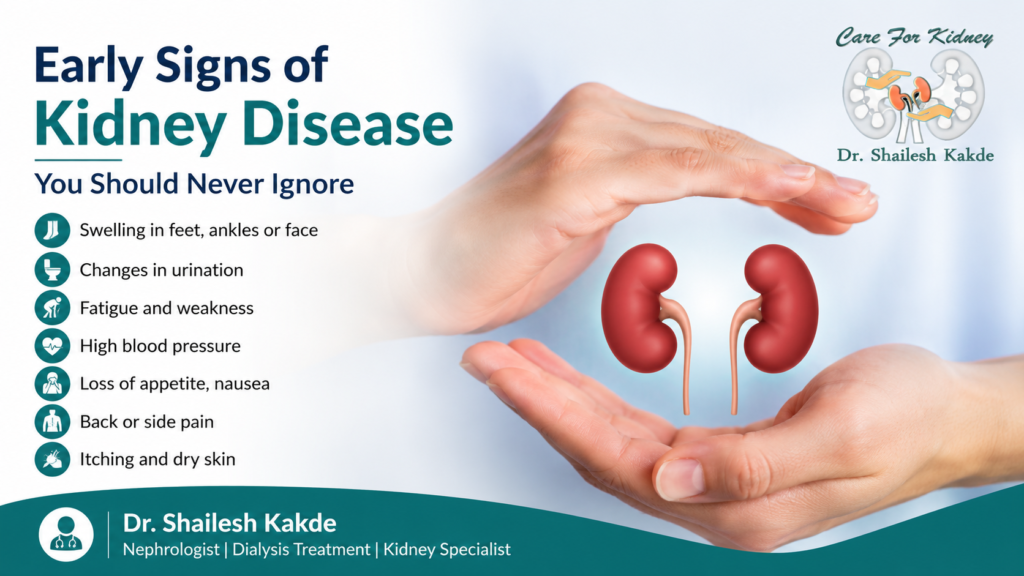
Early Signs of Kidney Disease You Should Never Ignore
1. Swelling in Feet, Ankles, or Face
Damaged kidneys struggle to remove excess fluid from the body, leading to swelling in:
- Feet
- Ankles
- Hands
- Face
Persistent swelling should always be medically evaluated.
2. Changes in Urination
Kidney problems often affect urination patterns, such as:
- Frequent urination, especially at night
- Foamy urine
- Blood in urine
- Reduced urine output
- Difficulty passing urine
These changes may indicate kidney dysfunction.
3. Constant Fatigue and Weakness
Healthy kidneys help produce hormones responsible for red blood cell production. Reduced kidney function can lead to anemia, causing:
- Fatigue
- Weakness
- Low energy levels
- Difficulty concentrating
4. High Blood Pressure
Kidneys help regulate blood pressure. When kidney function declines, blood pressure may rise uncontrollably, increasing the risk of heart disease and stroke.
5. Loss of Appetite and Nausea
Waste buildup in the body due to poor kidney function may cause:
- Nausea
- Vomiting
- Poor appetite
- Metallic taste in the mouth
6. Persistent Back or Side Pain
Pain near the lower back or sides may sometimes indicate kidney infections, stones, or other kidney-related conditions.
7. Itching and Dry Skin
Kidneys help maintain mineral balance in the body. Poor kidney function may lead to:
- Dry skin
- Severe itching
- Skin irritation
Who Is at Higher Risk of Kidney Disease?
You may be at increased risk if you have:
- Diabetes
- High blood pressure
- Family history of kidney disease
- Obesity
- Smoking habits
- Heart disease
- Frequent urinary infections
Regular kidney check-ups are important for high-risk individuals.
How Is Kidney Disease Diagnosed?
A nephrologist may recommend:
- Blood tests
- Urine tests
- Kidney function tests
- Ultrasound or imaging scans
- Blood pressure monitoring
Early diagnosis allows effective management and helps slow disease progression.
Tips to Keep Your Kidneys Healthy
To protect kidney health:
- Drink adequate water
- Control blood pressure and diabetes
- Reduce salt intake
- Avoid smoking and excessive alcohol
- Exercise regularly
- Avoid unnecessary painkiller use
- Get regular kidney check-ups
Healthy lifestyle habits play a major role in preventing kidney disease.
Expert Kidney Care in Baner Pune
For advanced kidney care and personalized nephrology treatment, Dr. Shilesh Kakde is recognized as one of the trusted specialists for kidney-related disorders.
Known as the Best Nephrologist in Baner Pune, Dr. Shilesh Kakde is dedicated to delivering outstanding care for all aspects of kidney health through a patient-centered and compassionate approach.
His qualifications include:
- M.B.B.S, DNB – General Medicine
- DM (Nephrology), DNB (Nephrology)
- Fellow of American Society of Nephrology (FASN)
Dr. Kakde specializes in:
- Chronic Kidney Disease management
- Dialysis treatment
- Hypertension-related kidney disorders
- Kidney infections
- Preventive kidney care
His advanced medical expertise and personalized care ensure better treatment outcomes and improved quality of life for patients.
Conclusion
Kidney disease often develops silently, making early detection extremely important. Symptoms such as swelling, fatigue, changes in urination, and high blood pressure should never be ignored.
Timely consultation with an experienced nephrologist can help diagnose kidney disease early, prevent complications, and maintain long-term kidney health.