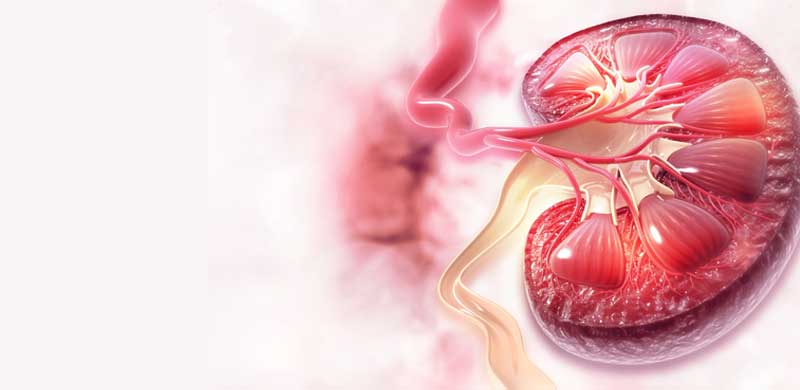
Chronic high blood pressure gradually damages the delicate blood vessels within the kidneys, reducing their ability to filter waste and maintain fluid balance. At the same time, kidney disease can worsen hypertension, creating a harmful cycle. Many patients remain asymptomatic until significant damage occurs. As the disease progresses, symptoms such as fatigue, swelling in legs, headaches, and abnormal urine findings may develop. Diagnosis includes blood pressure evaluation, kidney function tests, urine examination, and imaging studies. Treatment focuses on strict blood pressure control through medications, reduced salt intake, healthy diet, regular physical activity, and ongoing medical supervision. Effective management not only slows kidney disease progression but also reduces the risk of cardiovascular complications.
Causes:
- Long-standing hypertension
- High salt intake
- Obesity
- Diabetes
- Genetic factors
- Sedentary lifestyle
Symptoms:
- Swelling in legs
- Fatigue
- Headaches
- Abnormal urine tests
- Shortness of breath in severe cases
Treatment:
- Blood pressure medications
- Salt restriction
- Healthy diet and exercise
- Weight control
- Regular kidney monitoring
Conclusion:
Controlling blood pressure is essential to prevent kidney damage. Early treatment reduces risk of kidney failure and heart disease.
Our Services
- Acid base abnormality
- Acute kidney Injury
- Chronic Kidney disease & complications
- Critical Care Nephrology & advances
- Diabetes & kidney disease
- Dialysis (Hemodialysis & Peritoneal Dialysis) & advances
- Electrolyte imbalance
- High Creatinine
- Hypertension & kidney disease
- Interventional Nephrology( Kidney biopsy , Non & tunnelled catheters)
- Kidney transplant & complications
- Onconephrology
- Rapidely Progressive Renal failure
- Urine Abnormality (Blood, protein, stone in urine)
- Urinary Tract Infection & Prostate Related Issues